 AdvGamer
Let me set the scene: I’m Sam Porter Bridges, or at least I’m the poor courier carrying Sam’s backpack in Death Stranding 2: On the Beach. I’ve got a trike loaded with ceramics, a delivery timer ticking down, and a battery meter that’s dropping faster than my patience. I learned the hard way that if you treat your vehicle like an infinite-energy dirt bike, you’ll end up walking home with sore feet and a sad playlist. So here’s how I keep my ride juiced in 2026, after plenty of post-launch patches and personal faceplants.
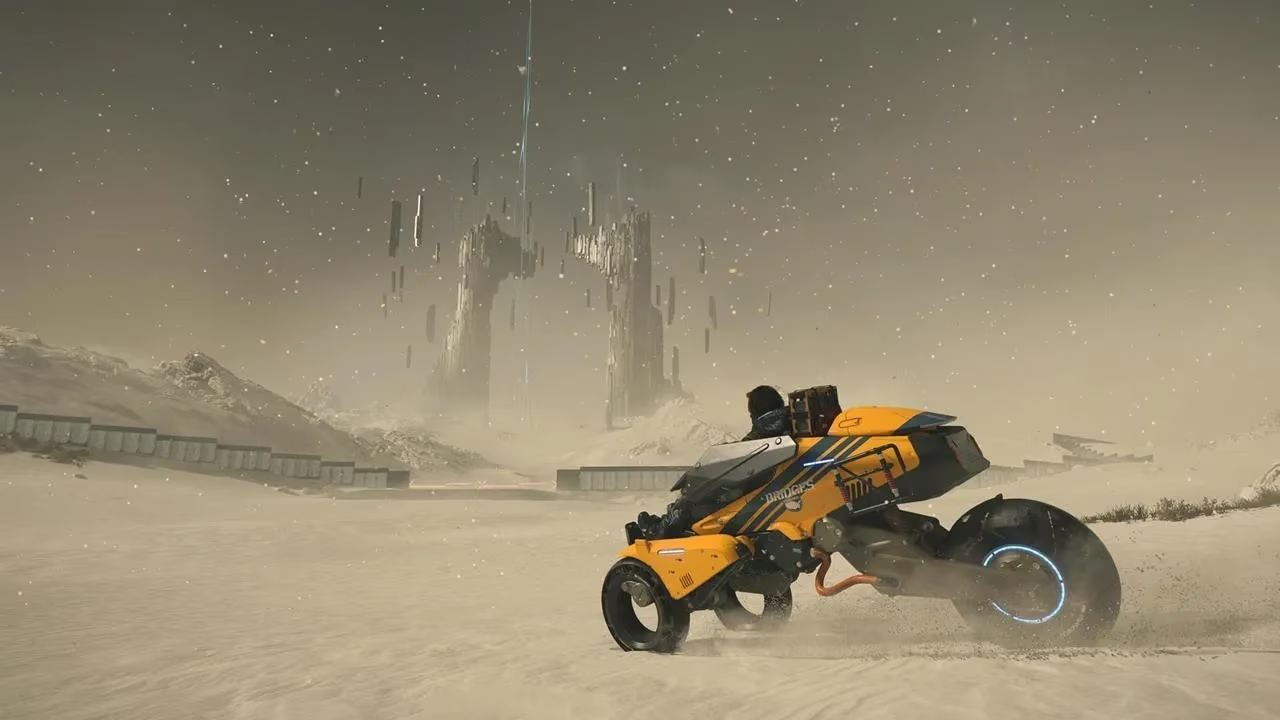
First, know your enemy: the drain. Your battery doesn’t just vanish because the game hates you. It drains for reasons. Normal driving sips it. Holding L3 for the speed boost gulps it. Double jumping? That’s a luxury tax on your battery. Plowing through deep water takes extra effort. Electric enemy attacks can short-circuit the battery. And those little chiral critters near tar pools? They swarm your ride and slowly suck the life out of it like tiny unpaid interns.
| Drain source | What it does |
|---|---|
| Everyday driving | Gradual battery loss |
| L3 speed boost | Faster drain |
| Double jump | Extra energy cost |
| Deep water crossings | More effort, more drain |
| Electric enemy attacks | Short-circuits the battery |
| Chiral critters near tar pools | Swarm and deplete energy |
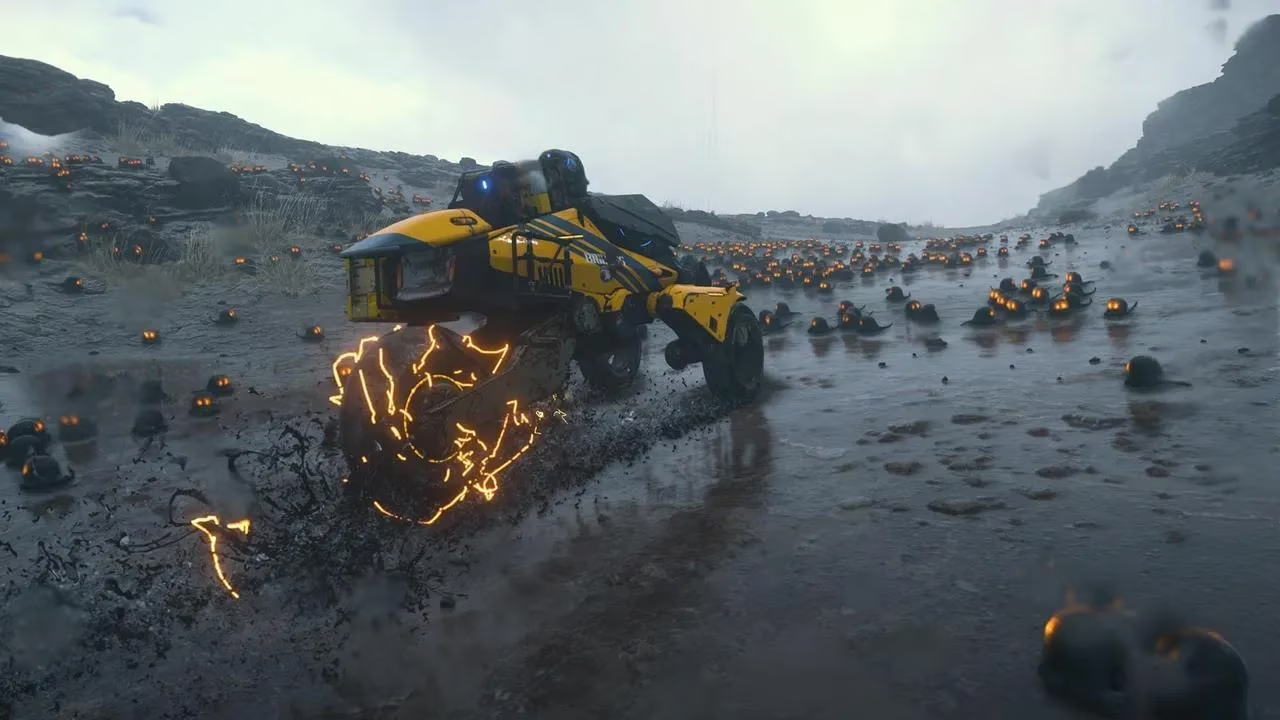
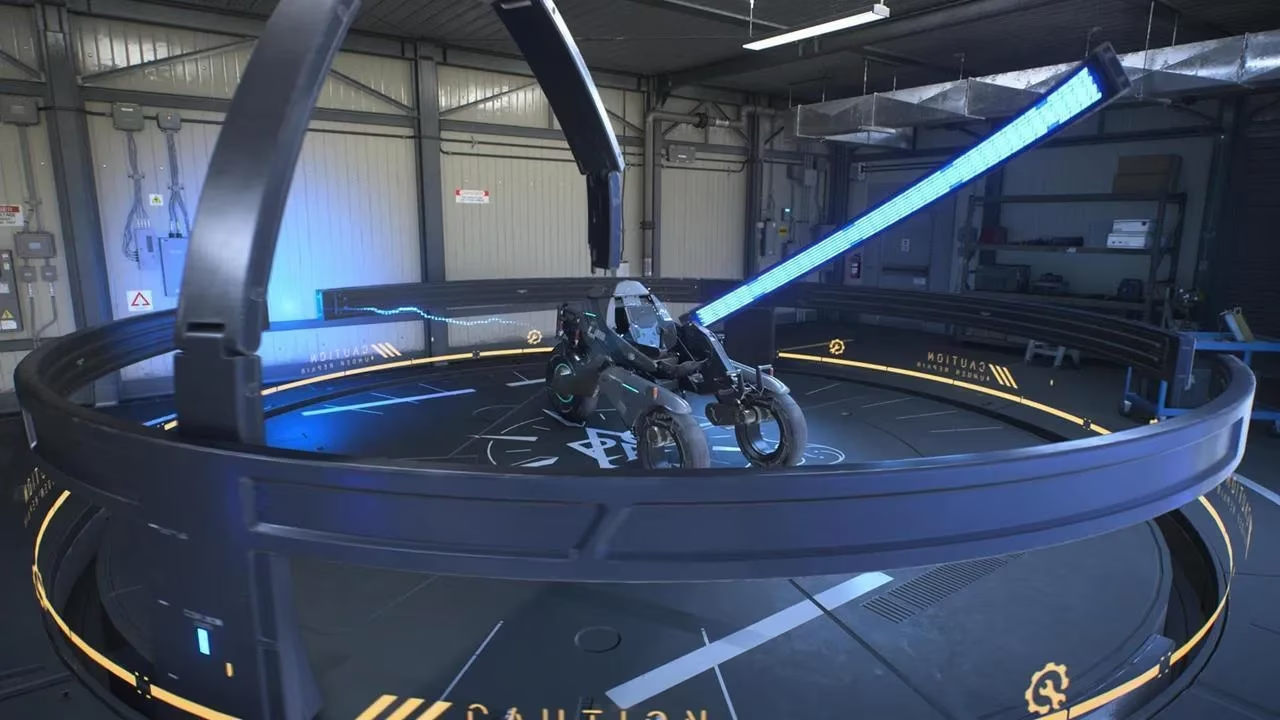
The best recharge method is old-fashioned infrastructure. Visit large facilities or the DHV Magellan mobile base. They usually have a garage. Park your motorcycle, face it, and hold Circle. Boom: full durability and a full battery. It’s like a spa day for your trike. One catch: stolen enemy vehicles cannot be repaired at facilities. So if you “borrowed” a ride from a raider, don’t expect the UCA to give it a tune-up.
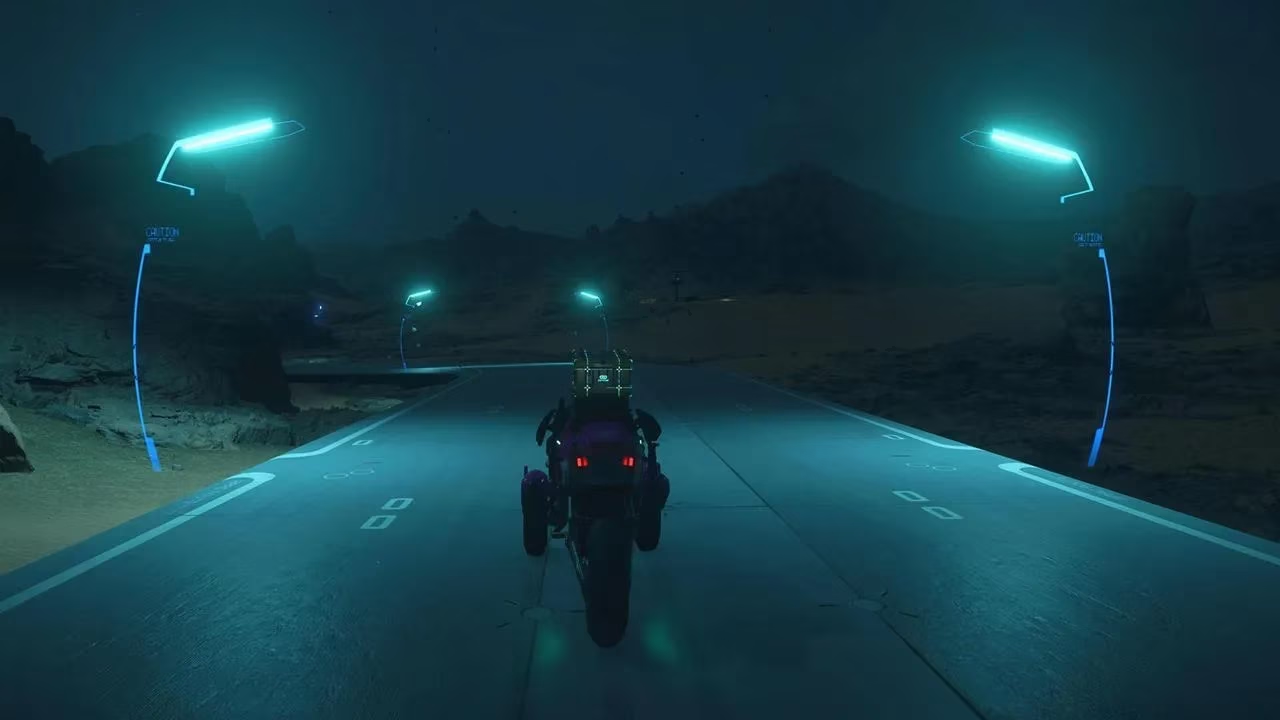
Settlements also have an effective radius. You’ll see a blue outline passing through surrounding pylons. Inside that zone, your vehicle won’t consume battery energy even while you’re driving. That’s free real estate, and you should abuse it. Roads you build with resources have an Energy Zone right in the middle. Stay in the middle lane and pass the Energy Zone signs, and you’re basically riding on a wireless charger. It’s the closest thing to fast travel without fast travel.
Then there’s the Portable Chiral Constructor, or PCC. You can build a Generator, but only in areas connected to the Chiral Network. Each region has a faction, NPC, or settlement controlling it. Complete the tasks to reconnect that region to the UCA, and you can place structures. The Generator emits electricity and recharges nearby vehicle batteries. Place these away from large facilities and garages, where you actually need them. Don’t put one next to a garage; that’s like putting a phone charger next to a power plant.
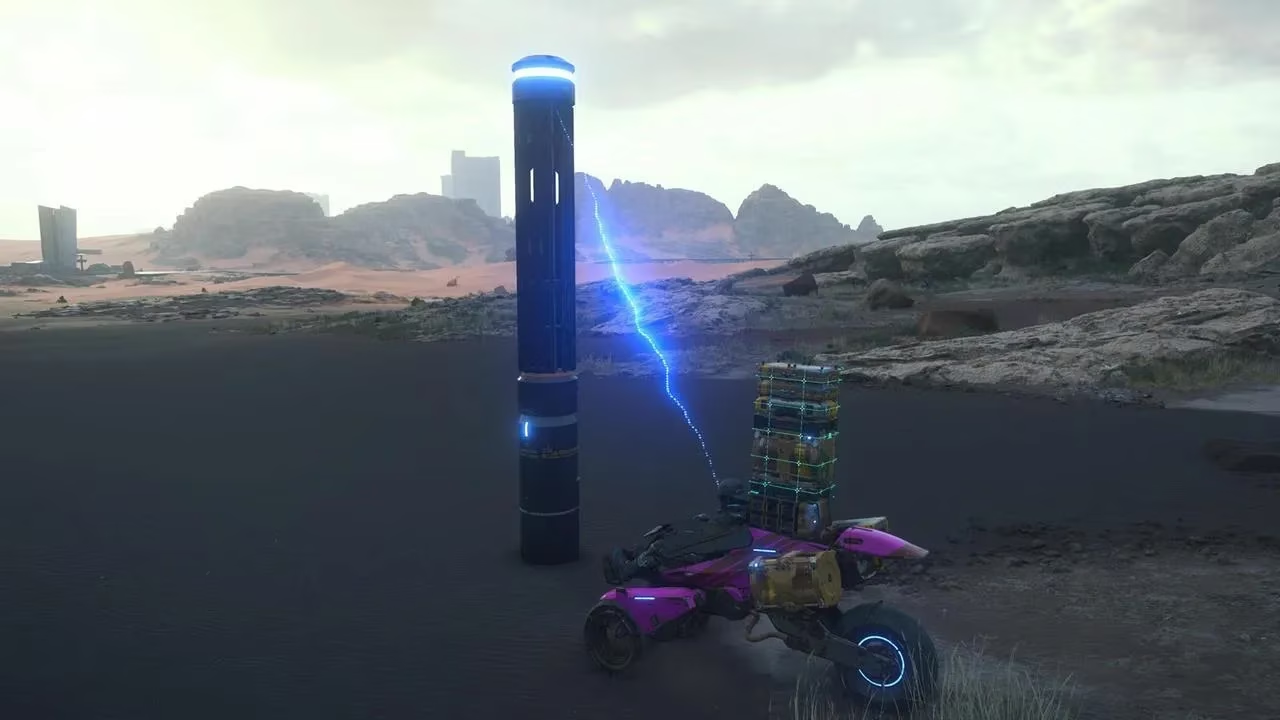
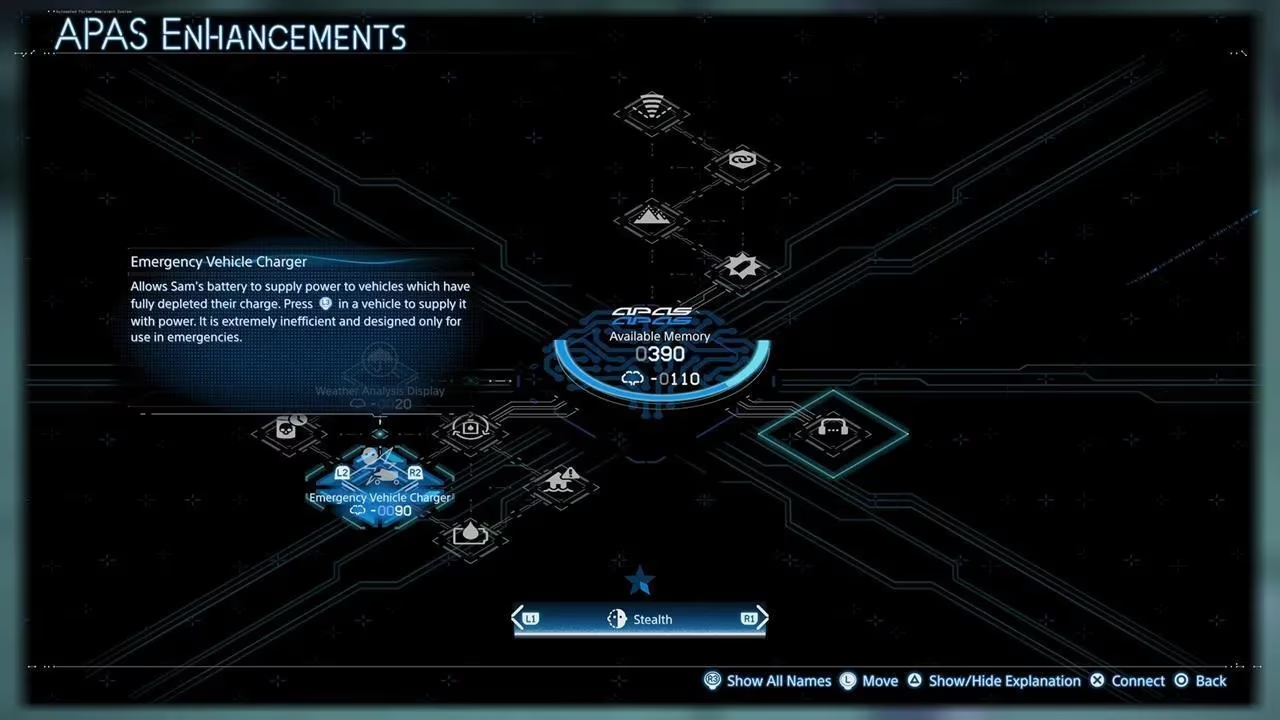
Finally, APAS Enhancement skills are your safety net. Emergency Vehicle Charger lets Sam transfer his own battery power to a vehicle. If your ride is fully drained, press L3 while inside it. Battery Efficiency Boost reduces energy consumption by 8%, which adds up over long hauls. And the Battery Unit upgrade from West Fort Knot can be fabricated and equipped multiple times to increase battery life. There are higher-tier variants later, too. Stack them, and you’ll feel like you’re cheating—except the game still finds ways to humble you.
My personal checklist before any long delivery:
-
✅ Park at facilities or DHV Magellan for a full top-up.
-
✅ Use settlement blue zones and road Energy Zones whenever possible.
-
✅ Build Generators in remote Chiral Network areas.
-
✅ Equip Battery Efficiency Boost and Battery Unit upgrades.
-
✅ Keep Emergency Vehicle Charger ready for emergencies.
-
❌ Don’t rely on stolen vehicles for repairs.
Humanity yearns to be interconnected once more, and in 2026 the wasteland still runs on good planning and better battery management. Keep your ride charged, keep your cargo dry, and keep on keeping on. If you ignore your battery, you’ll learn the same lesson I did: the beach is beautiful, but walking it with 200 kg of cargo is not.