 AdvGamer
The modern blockbuster has found a new gatekeeper, and it is not a director, a writer, or even a studio chief. According to a Variety story, major movie studios have begun assembling specialized clusters of self-identified superfans to assess marketing materials and, in some cases, creative choices for big franchise projects. The logic is simple: these fans are vocal, they know the lore, and they can smell a backlash coming from a mile away. One studio executive reportedly explained that such groups will bluntly warn, 'If you do that, fans are going to retaliate.' If the project is early enough, studios can still make changes. On paper, that sounds like listening to the audience. In practice, it looks more like handing the steering wheel to the loudest people in the parking lot.

The uncomfortable truth is that this development is both depressing and unsurprising. Hollywood has spent years chasing the safest possible version of every cash cow it owns, and the superfan council is simply the next logical step. It is easy to picture a filmmaker who cares more about a movie than anyone else in the room being told that a certain choice is too risky because a panel of diehards has deemed it unpalatable. It is equally easy to imagine casting decisions being second-guessed because a character's race, gender, or sexuality might set off the wrong corner of the internet. That is not artistic feedback. That is fear wearing a lanyard.
The biggest recent blockbusters often feel committee-designed, and few examples are more painful than The Rise of Skywalker. The film was reportedly shaped in part by a backlash cycle that followed The Last Jedi, and the result played like 142 minutes of damage control. It was not simply that the movie made bad choices; it was that it seemed terrified of making any interesting choice at all. That cowardice showed up at the box office too, as The Rise of Skywalker became the lowest-grossing film of the sequel trilogy. Fan service is not a magic wand, and the proof is in the pudding.
| Approach | What it protects | What it risks |
|---|---|---|
| Superfan veto | Lore purity and familiar beats | Blandness, fear, and niche thinking |
| Artist-led swing | Surprise and emotional stakes | Backlash and review bombing |
| Fan service with a twist | Goodwill and event cinema | Empty nostalgia if overdone |
That does not mean every fan-pleasing swing is a misfire. Spider-Man: No Way Home gave audiences exactly what they wanted and made a fortune doing it. But The Last Jedi, for all the controversy, made far more money than the cameo-heavy The Flash. Audiences may complain online, but they also respond to a real artistic vision. The problem is that studios are now trying to avoid angering fans at all costs, even though the vast majority of any franchise's audience will never review bomb a movie, harass a marginalized star, or spend a weekend being noisy online. Most ticket buyers are casual fans who do not care about lore consistency enough to wage a war over it.
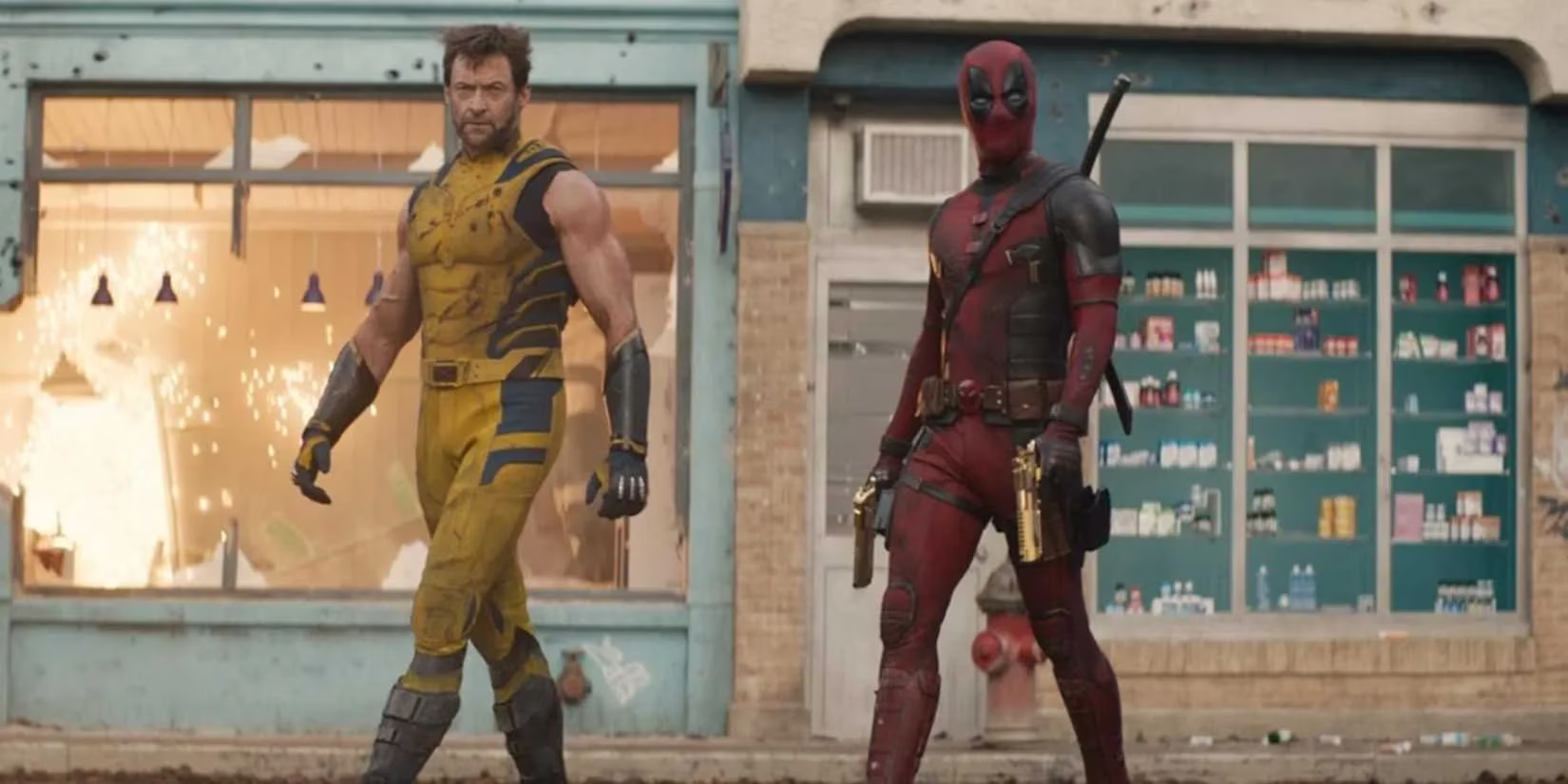
Deadpool & Wolverine offers a sharper contrast. The film leaned directly into the biggest critique diehard fans had before release: that bringing Wolverine back was desecrating Logan's grave. The opening sequence had Deadpool literally dig up Logan's adamantium bones for a dance fight set to NSYNC's Bye Bye Bye. It steered into the skid and reaped the rewards. If a council of Deadpool superfans had been asked to approve that gag, they likely would have said it went too far. Ryan Reynolds and Shawn Levy are not daring auteurs, but they made a more interesting choice than a fan panel would have. Fandom, by its nature, is ultra-conservative; it is more concerned with preserving the nostalgic status quo than with trying anything remotely new.
By 2026, the blockbuster landscape is still dominated by intellectual property, and the superfan-council approach fits neatly into that machine. It promises fewer online tantrums, but it also promises more cameos, more recycled beats, and more movies that feel like they were built to survive a focus group rather than to be loved. Studios are painting themselves into an increasingly niche corner. They can either make movies for a broad audience and accept that some loudmouths will complain, or they can spend forever trying to avoid the slimmest possibility of making a YouTuber angry. They cannot have both. The smart play is not to ignore fans; it is to stop treating the loudest ones as a board of directors. 🎬🍿