 AdvGamer
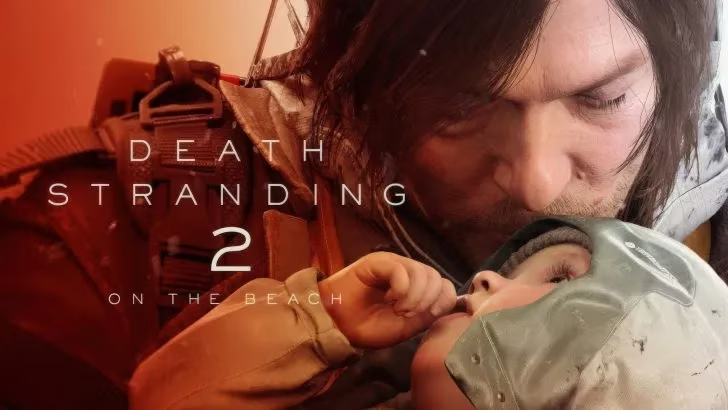
When South Korea’s Game Rating and Administration Committee published its decision on Death Stranding 2: On the Beach, the news was less about the verdict itself and more about what the verdict implied. The game was judged unsuitable for minors, and the committee’s summary described a post-apocalyptic parcel-delivery adventure in which players connect cities and try to save humanity. In 2026, that rating reads like a time capsule from the final pre-launch stretch of a project that had already spent years in the public eye.
🎮 A Rating That Spelled Out the Tone
The GRAC’s reasoning was blunt. It cited excessive violence, including red blood and bodily harm during combat with weapons. It flagged excessive vulgar language and swearing. It also noted direct drug use, pointing to smoking and drinking scenes. Under Article 21 of the Act on Promotion of the Game Industry and Article 7, Paragraph 4 of the Rating Classification Regulations, the title was placed in the not-available-to-minors category.
For fans, though, the content warning was almost secondary. A rating often means a game has reached a late stage of certification and packaging. It can be a practical signal that a release window is close. The reference point was Ubisoft Massive’s Star Wars Outlaws, rated in late March and launched in late August. Other games have appeared in rating databases only about three months before launch. That made Death Stranding 2 look like a first-half-of-the-year candidate at the time, with a release-date announcement possibly waiting at a State of Play showcase.
⚠️ Kojima’s Team Was Already in Adjustment Mode
The rating did not arrive in a vacuum. Hideo Kojima said in May 2024 that the game had entered its adjustment phase, with voice acting and motion capture already complete. Fans saw an extended look at Tokyo Game Show 2024. The showcase introduced Rainy, played by Shioli Kutsuna; Tomorrow, played by Elle Fanning; Dollman, played by Jonathan Roumie; and Heartman, played by Darren Jacobs. Norman Reedus, Léa Seydoux, and Troy Baker returned as Sam Porter Bridges, Fragile, and Higgs. The game also used the likenesses of Mad Max creator George Miller and In the Shade director Fatih Akin.
That mix of returning faces and new performers gave the sequel a familiar but expanded cast. It also reinforced the idea that Death Stranding 2 was not a small follow-up. It was a large, performance-heavy production built around Kojima’s distinctive tone.
🧩 The Technical and Platform Picture
Like the first game, Death Stranding 2: On the Beach was made with Guerrilla’s Decima Engine. The plan was to launch on PlayStation 5 first. A PC version was considered likely, given the first game’s path, and an Xbox release even became plausible after Kojima Productions acquired the IP from Sony. In 2026, those platform questions are part of a larger post-launch conversation rather than a pre-rating rumor.
| Rating element | GRAC summary | Why it mattered |
|---|---|---|
| Violence | Red blood and bodily harm in weapon combat | Pointed to the sequel’s combat intensity |
| Language | Excessive profanity and swearing | Signaled a mature, unfiltered script |
| Drugs | Smoking and drinking scenes | Added to the adult content profile |
| Age gate | Not available to minors | Confirmed a mature rating rather than a family-friendly one |
📊 Why the Rating Still Matters
The rating was never just a bureaucratic footnote. It framed Death Stranding 2 as a game with blood, swearing, and smoke, not merely a moody walking simulator. That matched the broader promotional image: a sequel with more combat, stranger characters, and a bigger stage. The GRAC summary also showed how directly the game’s adult content was being catalogued. There was no ambiguity about the target audience.
By 2026, the game’s launch is no longer a speculative event. The rating has become a historical marker. It shows how close the project was to completion in early 2025 and how quickly the final marketing cycle moved once certification appeared. For players looking back, the GRAC decision is a useful reminder that release dates are often visible in small, unglamorous places before they are announced on a stage.
The sequel’s identity remains intact: a post-apocalyptic delivery journey, a star-heavy cast, a Decima-powered world, and a creator who turns even a rating summary into part of the lore. The rating may have been about blood, profanity, and smoke, but it also told fans something simpler. Death Stranding 2 was nearly ready.